Short answer. Porto began as a Roman outpost on the Douro, the Portus Cale that gave Portugal its name. It grew with the river trade, resisted a long siege in 1832-1833, and became famous for port wine, which still ages in the cellars of Gaia, across the water.
Light show, tower, fado, cellars and cruises
Cálem Caves: Guided Tour in Interactive Museum & Wine Cellars + Wine Tasting
4.5· 1,249 reviews
from €22
Book tickets and tours →How did Porto begin?
It began beside the river. From the second century BC there was a settlement here, an outpost of the Roman Republic, known by the name of Portus Cale. The name has Celtic and Latin roots, and it travelled a long way: it is the root of the word Portugal. Next time you look at a map, remember that a country got its name from this river port.
By the Middle Ages the city had a cathedral. In 1108 Henry of Burgundy and his wife founded a chapel on the spot where the Sé stands. The present building was started in the second half of the twelfth century and worked on until the sixteenth, so each part has a different age. You see this in the Romanesque rose window and in the Gothic cloister. When you walk through it, you are walking through four centuries of work.
What happened in 1415?
The city sent out an expedition that changed the world. The conquest of Ceuta in 1415 was launched from Porto by Prince Henry the Navigator, and it is seen as the start of the Age of Discoveries. From that day Porto was tied to the story of Portuguese exploration.
Why is Porto the unconquered city?
Because it held out. During the Liberal Wars the absolutist forces laid siege to Porto for eighteen months, in 1832 and 1833. The city did not surrender, and it has been called the Cidade Invicta ever since. If someone tells you Porto never gives in, they have history on their side.
How did the baroque come to the old town?
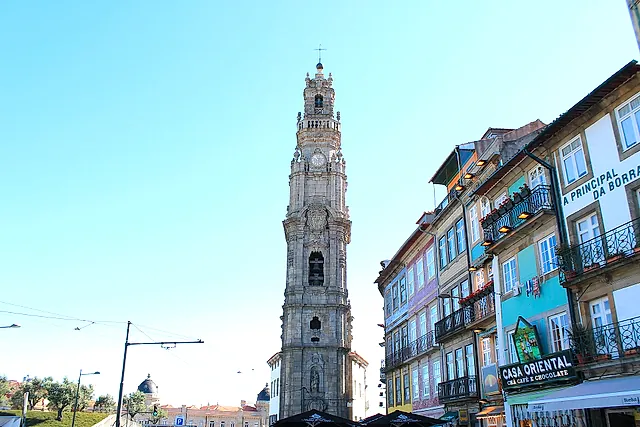
In the eighteenth century a church and a tower rose above the roofs. They are the work of Nicolau Nasoni, an Italian architect and painter, who designed the Clérigos church and its tower. The works lasted from 1732 to 1750, and the tower, with its stairs at the front, was completed in the middle of the century. It is 75.6 metres high. In 1736 he also added a baroque loggia to the side façade of the cathedral, so his hand is visible in two of the city’s landmarks. If you climb the tower today, you stand on the work of the Italian who changed the skyline.
Why did a drink make the city famous?
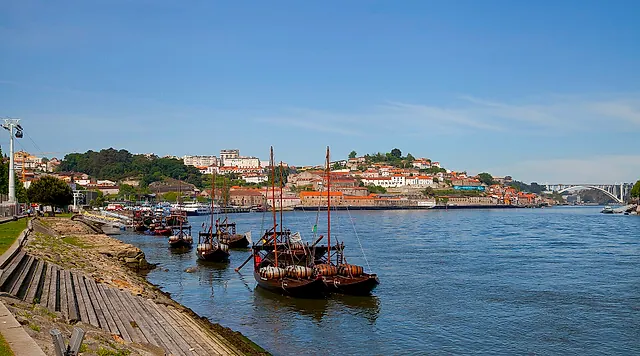
Because the English fell in love with it. The Douro valley wines went down the river to Porto on flat-bottomed boats called rabelos, a custom that goes back to the thirteenth century. In 1678 English merchants visiting the Douro bought the whole stock of a fortified wine that the abbot of Lamego offered them, and they found it very pleasant, sweet and smooth. In 1703 the Methuen treaty brought low taxes on Portuguese wine in England, and by 1717 English firms dominated the trade from Porto.
The wine itself is made by stopping the fermentation with grape spirit. This leaves natural sugar in it and raises the strength to about 19-22%. That is what we know today as port wine.
What did the government do in 1756?
It marked out the Douro region, one of the first in the world to be defined this way. In 1756, under the Marquis of Pombal, the region was demarcated and a company was set up to keep the quality high. The rules did not please everyone: in 1757 there was a revolt against the company, known as the Revolt of the Drunkards, which was put down harshly. It is a reminder that a famous wine came with a fight.
Why Gaia?
Because in 1777 Gaia became the official place for storing port wine and for the exporters who sold it. Until 1986 the wine could only be exported from there. This is why the great houses still have their cellars on the bank facing the Ribeira. In the twentieth century the dams built on the Douro ended the boat transport of the wine, and the rabelos became a living memory. A few are still on the river, and each year on 24 June they race for the feast of São João.
And the bridges?
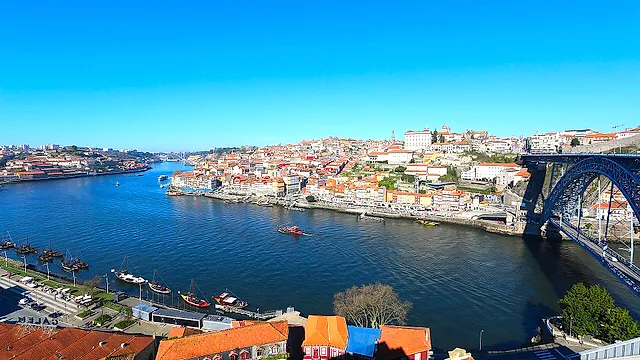
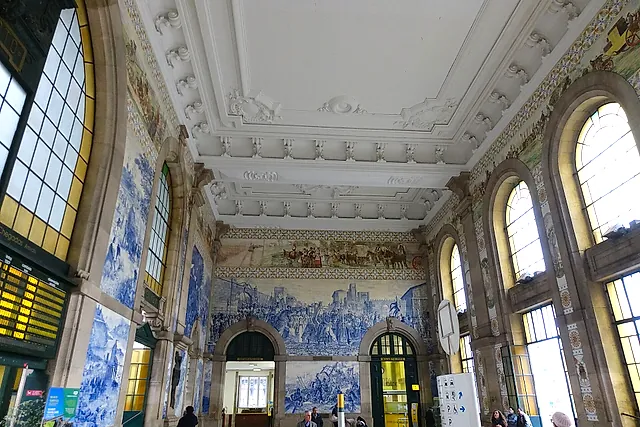
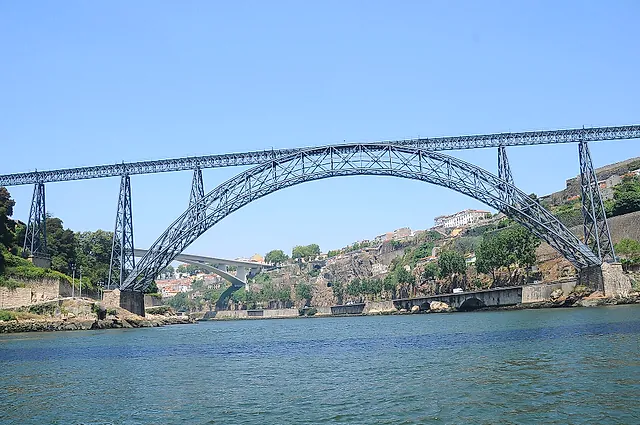
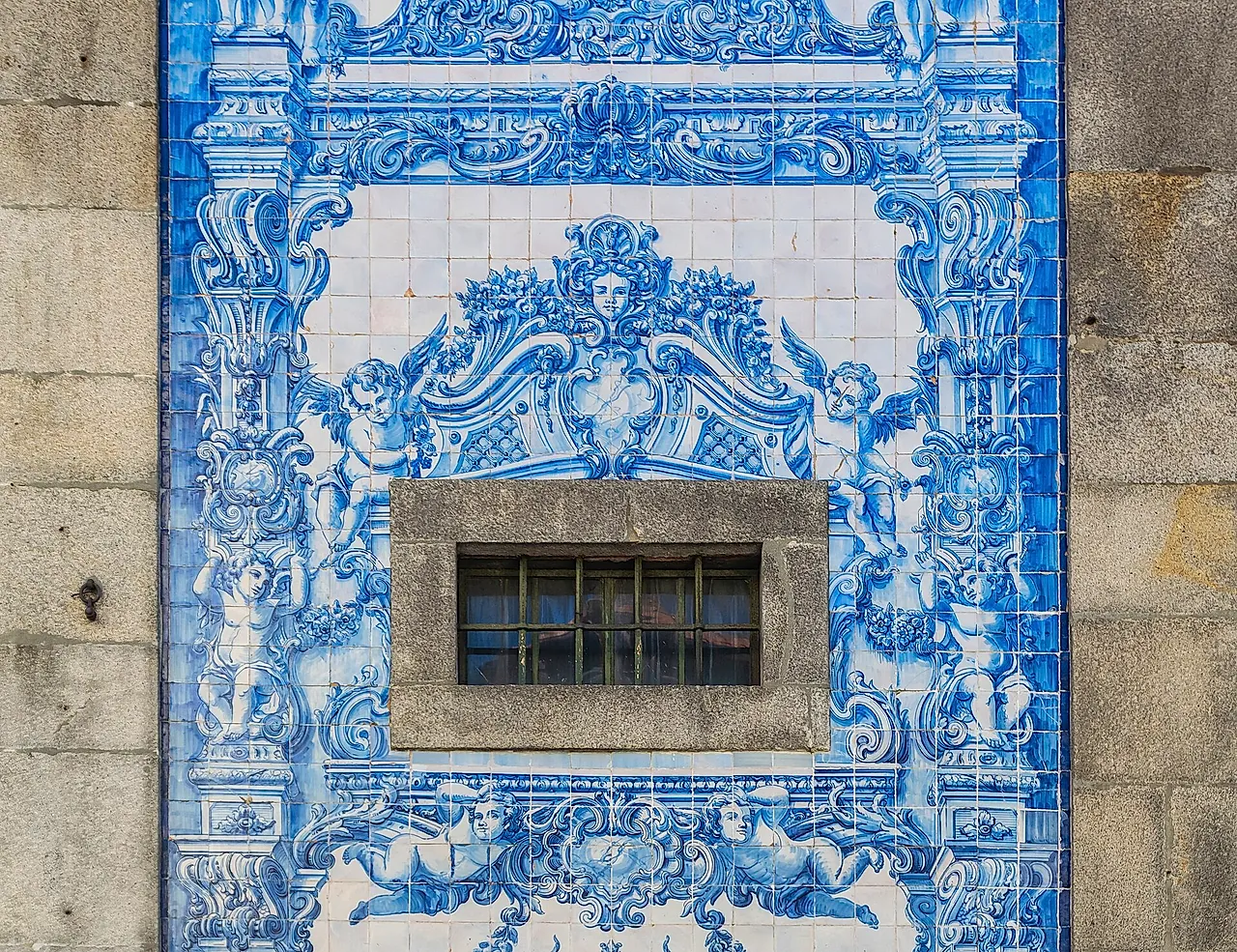
The Maria Pia bridge opened in 1877, the Dom Luís I bridge in 1886, the Arrábida in 1963, the São João in 1991, the Freixo in 1995 and the Infante Dom Henrique in 2003. The Maria Pia bridge is linked to the firm of Gustave Eiffel, and the Dom Luís I to his former partner Théophile Seyrig. In 1916 the São Bento station opened, and its tiles tell scenes of Portuguese history. And in 1996 the historic centre of Porto, including the Ribeira, joined the UNESCO World Heritage list.
How can I see it all?
You can walk through every chapter. Visit the cathedral for the Middle Ages and the baroque, climb the Clérigos Tower for the eighteenth century, and finish in a Gaia cellar for the story of port wine. Our tickets guide puts the experiences in order, and the plan for one or two days shows the route. For the cellars, read how to choose a tour.